Will a Hair Topper Damage My Existing Hair?

Are you experiencing hair loss and considering a human hair topper? One of the biggest questions people ask before making the switch is whether a topper will damage the hair they still have.
When a topper is properly fitted and worn, it minimizes stress on existing hair. A topper that is the wrong size, too heavy for the hair it is clipped to, or put on or removed incorrectly may place tension on existing hair. Fitting and application guidance can help reduce that risk.
At Daniel Alain, our founder and CEO, Daniel Hafid, built the Follea line around solving exactly this concern: helping people with hair loss feel like themselves again without putting their remaining hair at risk.
Below, our consultants walk through the fitting, application, and care practices that keep your natural hair healthy while you wear a topper.

Understanding a Hair Topper

Hair toppers are partial wigs and are also known as hairpieces or wiglets. They’re designed to cover areas of hair loss or hair thinning, specifically at the crown, part line, and top of the head.
Hair toppers are a popular option for individuals experiencing the early signs of hair loss, thinning hair, or bald patches they wish to cover.
Hair toppers are typically made from high-quality human hair or synthetic hair that closely resembles natural hair.
They come in a variety of sizes, shapes, and attachment methods to cater to different needs and preferences.

The base of a topper is usually constructed with lightweight and breathable materials, and the most natural-looking hair toppers have a silk top that mimics the appearance of a real scalp.
Clips, tapes, or adhesives are used to attach the topper to the scalp or existing hair. A topper isn’t right for everyone, but if you have a strong front hairline, a topper could be a good option for you.
It’s important to note that hair toppers are different from full wigs, as they target specific areas rather than covering the entire head. Unlike hair extensions, which add length and volume throughout, toppers are designed to blend seamlessly with the natural hair, providing coverage and volume to the areas of concern.
With the right color match and proper application, a hair topper can create a natural, undetectable look that seamlessly blends with your own hair. Best of all, it can help you look and feel more like yourself.
Do Hair Toppers Damage Your Hair Over Time?
Hair toppers are intended to be a non-invasive hair replacement option that does not cause damage to your existing hair. They are typically secured to the head using clips or adhesives, depending on the wearer’s preference, and in truth, a poorly fitting topper or one that’s not attached to your head correctly can cause damage to your existing hair.
Daniel Alain consultant Ashley Harfman explains that if “the weight of the topper is too heavy for the amount of hair it’s being clipped on to, if you’re brushing the topper too vigorously while it’s clipped on, or if your hair is very, very fine, the clips themselves can damage your existing hair.”
Over time, repeated pulling on the same strands can put stress on the hair and scalp.
|
Key Insight: A properly fitted topper and careful application can help minimize stress on existing hair. |
Signs That a Hair Topper Is Damaging My Existing Hair

Whether you're new to wearing a topper or have worn one for years, a quick check each time you take it off can catch a problem before it becomes a bigger one. Daniel Alain consultant Ashley Harfman recommends watching for:
-
Hair caught in the clips: Check each clip as you remove your topper; strands wrapped around a clip mean the attachment is pulling on your hair rather than resting against it.
-
Scalp irritation or redness where the clips sit: If you notice tenderness, soreness, redness, or irritation along the clip line, pause and seek fitting guidance.
-
Thinning or breakage concentrated at the attachment points: Noticeable changes near clip placement warrant a fitting check and, if hair or scalp changes are unexplained, advice from a qualified healthcare professional.
-
More hair than usual in your comb or on the clips after removal: People commonly shed 50–100 hairs a day, but daily shedding varies.
If you notice any of these, loosen the clips, shift where they sit on your head, or book a fitting check with a consultant before continuing to wear the topper daily.
How to Prevent Damage to Your Existing Hair
Protect Your Hair When Taking the Topper on and Off
At Daniel Alain, we advocate for consultations with an experienced professional who can teach you how to correctly put on and remove your topper.
Nothing beats personalized advice from a professional. Working with a brand that offers real post-purchase support, not just a one-time fitting, makes a big difference in a comfortable, damage-free experience.
“Having a consultation and being taught to avoid creating tension is the biggest way you can protect your existing hair from damage,” says Ashley.
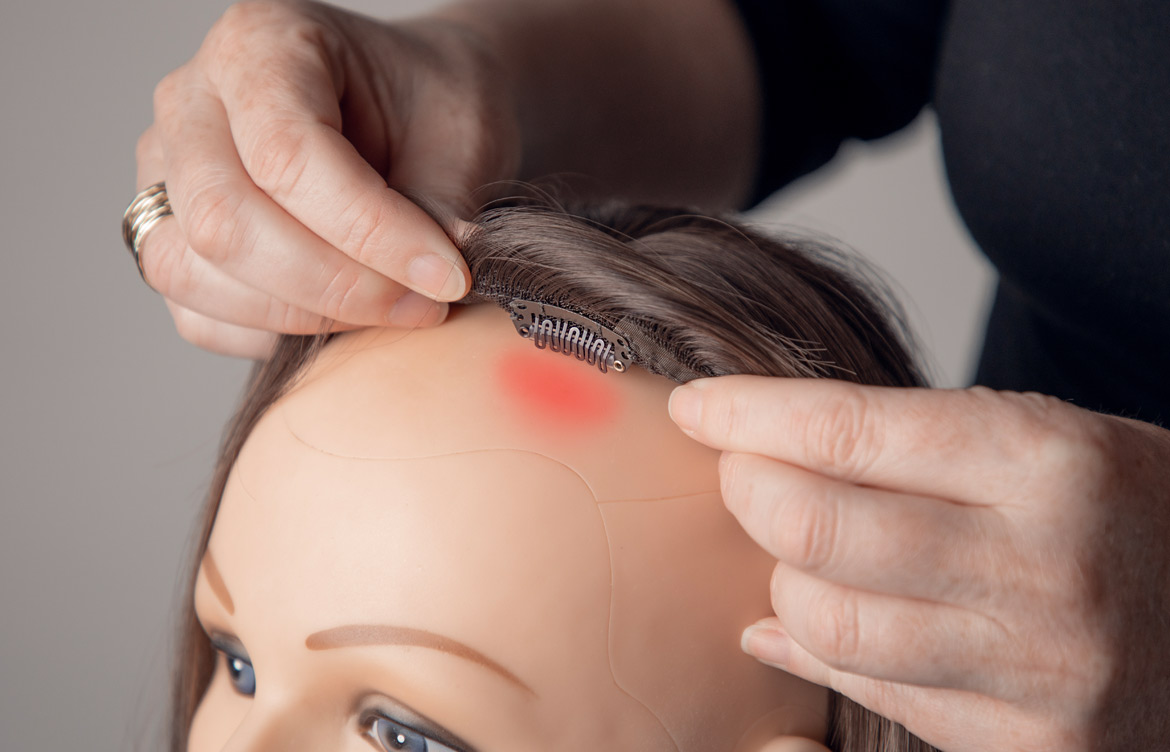
Ashley teaches her clients how to scoop up some of their existing hair before attaching the clips. The clips should not be tight against the scalp or cause tension. Instead, there should be a little excess for the hair to move more freely under the topper.
When removing your topper, you should unfasten the clips and gently tug the topper away from your hair and toward the back of your head. Moving deliberately and slowly can help prevent hair from getting caught in the clips.
Protect Your Natural Hair While Wearing a Hair Topper
We know you want to do your best to protect your existing hair and minimize damage while wearing a topper. The biggest piece of advice we can give is to make sure the clips are always comfortable while they’re against your head.
You should never feel tension or pulling, and you shouldn’t feel relief when you’re taking the topper off at the end of the day. If you wear a hair topper every day, it also helps to move the clips slightly from one day to the next and to take regular breaks so the same sections of hair aren't always bearing the weight.

Additionally, Ashley advises against wearing your hair topper in bed at night, as it could cause tension and pull out your hair. Styling a topper on a mannequin before placing it on your head will avoid causing stress to your existing hair, and it's the safest way to experiment with different styles.
Protective hairstyles on a windy day will prevent the hair from blowing around and pulling on your hair. Tying your hair up in a ponytail is the best way to protect your existing hair in blustery weather, but make sure the clips are not uncomfortably tight.
|
Pro Tip: After clipping in your topper, run a finger underneath each clip; it should slide through easily with a little slack in your hair. If it doesn't, or if you feel a sense of relief when you take your topper off at night, your clips are too tight. |
Is Hair Damage Inevitable When Wearing a Topper?
The vast majority of our customers experience no damage at all to their existing hair while wearing a hair topper. Through an online consultation, our consultants can take accurate measurements to find the correct size and fit.
They'll also share best practices and tips for protecting fragile hair, so your topper stays comfortable enough for daily wear.

It’s absolutely possible to wear a hair topper for years without causing damage to your existing hair. Daniel Alain customer Emily has been wearing a human hair topper for 2 years after suffering from hair loss caused by stress, anxiety, and coeliac disease.
She hasn’t experienced any damage to her existing hair while wearing her topper, but stresses it’s important to “take your topper on and off properly to avoid damaging your bio hair. That’s something you can learn through a consultation.”
Is a Hair Topper Right for Me?
If you’re considering a hair topper, you may have been plagued by concerns about the potential damage it could cause to your existing hair. Hair loss, bald spots, or a thinning crown can be a source of anxiety, and finding the right solution can sometimes feel overwhelming.
As you continue to explore your options, we hope you’ve learned that when properly chosen and applied, a hair topper does not inherently cause damage. In fact, they can be a valuable tool to restore your confidence and enhance the appearance of your natural hair.
By understanding what can damage your hair and following the care practices above, you can wear a hair topper without compromising the health of your existing hair.
If you’re curious about the hair toppers we make and sell at Daniel Alain, or would like to speak to a professional, we offer guidance and support through a complimentary consultation with our experienced consultants.
Should you have any questions or concerns, our team of experts is here to assist you throughout the process. We look forward to hearing from you.

Frequently Asked Questions
What Happens During a Hair Topper Consultation?
Daniel Alain offers a free, private consultation with a caring expert stylist. Your consultant can listen to your needs and help build a Fit Kit with color, length, and cap-size samples to try at home.
What Can You Compare in a Hair Topper Fit Kit?
A Fit Kit can help you compare cap or base sizes, colors, and lengths before making a decision. If you are considering a topper, you can request different base sizes to explore the amount of coverage that may suit your needs.
How Do You Choose a Hair Topper Color and Length?
Start by deciding how much of your own hair you want to leave out around the topper, then choose a length that can blend with it. For color, compare swatches with the hair that will remain visible, including highlights, lowlights, or darker roots. A Daniel Alain consultation and Fit Kit let you compare color and length samples before choosing.

 Call Us
 Showroom