Human Hair Wig Care Routine: What to Do Weekly, Monthly, and Seasonally

Are you new to wearing a human hair wig and trying to figure out how to look after it properly?
When you first bring home a wig, it’s completely normal to worry about doing the wrong thing: washing too much, not enough, using the wrong products, or accidentally causing damage. Many people share this same uncertainty in the beginning.
To make things easier, we asked Daniel Alain consultant Kathryn to share her essential wig care tips. Kathryn has over 20 years of experience in the hair industry and works closely with customers every day, to help them choose the right human hair wig and understand how to care for it once it becomes part of their daily routine. Her guidance is calm, reassuring, and focused on helping people feel comfortable and confident.
In this article, we will walk through what to do weekly, monthly, and seasonally to keep your human hair wig looking and feeling its best. There is no need to aim for perfection. With a few simple habits in place, caring for your wig will soon feel natural and manageable.

What to Do Weekly for Your Human Hair Wig
When you build a simple weekly routine, caring for your human hair wig becomes far less stressful. These small habits help the hair stay soft, smooth, and natural-looking.
Assess Whether It’s Time to Wash your Human Hair Wig
Human hair wigs generally do not need washing as often as biological hair. Most people wash their wig every 7 to 10 wears, but it really depends on your environment, how much product you use, and your activity level.
Signs your wig may need a wash:
-
The hair looks dull or weighed down
-
The strands feel slightly sticky, oily, or coated
-
The wig has picked up scent from the environment (like cooking smells)
When washing, choose a gentle, salon-quality shampoo and conditioner. These products cleanse without stripping the hair’s natural moisture.
Daniel Alain consultant, Kathryn recommends not over-thinking the wig washing process. “I always tell clients it doesn’t have to be complicated. Just follow the simple steps in the Daniel Alain washing video tutorial and take your time. Once you’ve done it once or twice, it will feel completely manageable.”
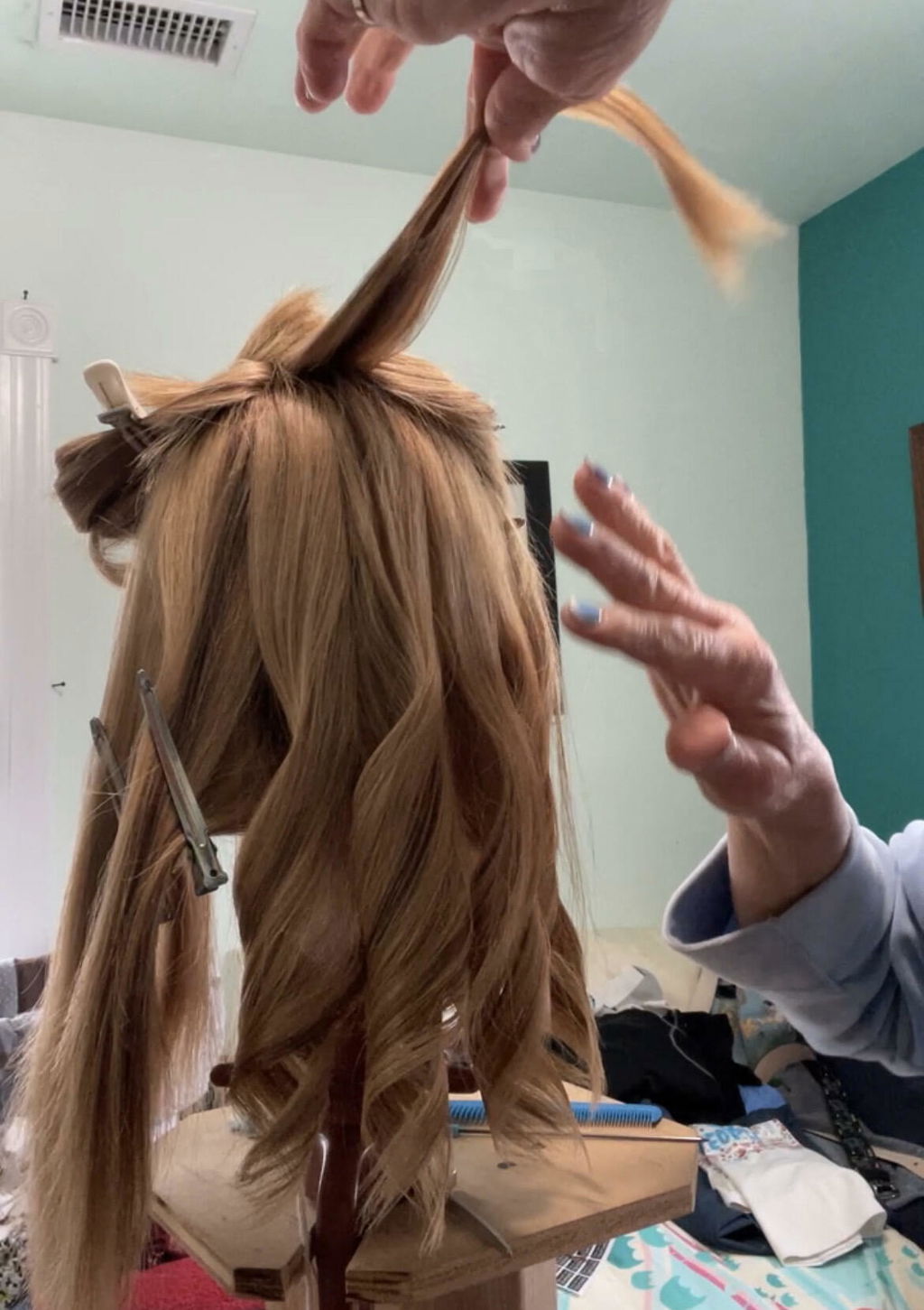
Brush and Detangle your Human Hair Wig the Right Way
Regular gentle detangling keeps the hair smooth and prevents knotting.
Recommended tools:
Technique:
-
Start at the ends
-
Work your way upward in small sections
-
Hold the hair near the base so you are not pulling on the cap
This helps protect the lace, hand-tied knots, and overall structure of the wig.
“Give your wig a quick brush through a couple of times a day,” suggests Kathryn, “it’ll get all the tangles out. Pay attention to the hair at the nape of the neck where tangles can form by rubbing against clothing or getting caught in necklaces.”
Light Styling Maintenance
Most human hair wigs don’t need daily heat styling. Over time, heat can reduce shine and softness.
To keep the style looking fresh between washes:
-
Smooth the hair with a paddle brush after wearing
-
Use a light leave-in conditioner mist if needed
-
Allow waves or curls to cool while pinned for shape rather than re-curling with heat
Kathryn recommends going easy on the heat styling. “You don’t need to heat style every day,” she says. “But always use a heat protectant every time you do. It’ll help keep the integrity of the hair intact.”
Storage for Daily or Regular Wear
How you store your wig each day matters more than many people realize.
Best options for daily use:
-
A wig stand for short-term storage
-
A mannequin head to help keep the style’s shape
Avoid storing your wig flat or in a drawer when you are wearing it frequently. Keeping it upright allows the hair to air out and maintains its natural movement and volume.
What to Do Monthly for Your Human Hair Wig

Monthly care helps your wig maintain its overall condition. These slightly deeper checks are less frequent but make a noticeable difference over time.
Check Clips, Cap, and Lace on your Human Hair Wig
Regularly checking the wig for small signs of wear can prevent bigger issues later.
Look for:
-
Clips that feel loose or need tightening
-
Any lifting or fraying along the lace front
-
Areas that feel stretched or need to be adjusted with the adjustable straps
Catching small issues early will ensure your wig will stay secure and comfortable. “I always tell clients to give their wig a quick once-over every month, especially to check for inversions, which are strands of hair that poke up through the base on the wrong side. Catching those early keeps everything looking smooth and prevents any bigger issues later on,” says Kathryn.
What to Do Seasonally for Your Human Hair Wig

As the weather changes throughout the year, your human hair wig may need small adjustments to keep it looking and feeling its best. Seasonal care is less about strict rules and more about responding to the environment around you.
Adjust for Climate Changes
Different seasons affect moisture levels in the hair, just like they do with biological hair.
In warmer months:
-
Humidity can cause frizz or make the hair feel heavier
-
You may notice more sweat or product buildup near the cap
-
Washing slightly more often may be helpful
In colder months:
-
Dry air can cause the hair to feel rough or lack shine
-
You may see a bit more static or flyaways
-
A richer conditioning routine may help maintain softness
Kathryn recommends looking for products that offer extra protection in humid climates. “Heat protectants and hairsprays that have anti-humidity technology are something to consider if you’re concerned about frizz in humid climates.”
Consider a Color Refresh
Just like biological hair, human hair wigs can experience gradual color changes over time. Sun exposure, heat styling, and regular washing can gently soften or fade the shade. This is completely normal and is often subtle rather than dramatic.
A seasonal color refresh can help restore depth, brightness, or tone. This might mean:
-
Re-toning the hair to remove brassiness
-
Adding lowlights or highlights for dimension
-
Refreshing the overall shade to keep it looking vibrant
Think of this as part of regular maintenance rather than a sign of damage or decline. Well-chosen color updates can help the wig continue to look natural and in harmony with your skin tone throughout the year.
“Just like real hair, human hair wigs will lighten up in the sun,” says Kathryn. “We really recommend touching up the color once or twice a year, depending on where you live and how much sun exposure its getting.”
How Can You Start a Human Hair Wig Care Routine That Feels Manageable for You?
Caring for your human hair wig becomes more familiar with time. Try starting with just the weekly steps, then add the monthly and seasonal habits as they begin to feel comfortable. You do not need to master everything at once. It is completely normal to learn as you go.
As you build confidence with care, styling often becomes the next step. Learning how to curl a human hair wig in a way that protects the hair and keeps it looking natural can make styling feel much easier and less intimidating.

 Call Us
 Showroom