How to Detangle a Wig: Complete Guide for Synthetic and Human Hair Wigs

You reach to run your fingers through smooth, silky, detangled hair, but instead you discover tangles, matting, and knotted strands that break and feel dry at the ends.
Tangles aren’t unique to wigs – they can happen to natural hair too – but they are no less frustrating when they appear.
At Daniel Alain, one of our mottos is “Loving Hair Everyday”, and as leaders in the alternative hair industry, there’s not much we don’t know about making hair look beautiful. While it takes a behind-the-scenes team of stylists, photographers, and glamorous clothes to make the models on our product pages look beautiful, we also understand it’s even more important for our customers to feel just as good in their wig or topper.
This article will give you some helpful troubleshooting methods for detangling synthetic wigs and human hair wigs, so that you can keep your piece in tip top condition for as long as possible.

Why Do Wigs Tangle in the First Place?

Straight wigs, curly wigs, even short hair wigs can tangle and pull. But if you find your wig is tangling, that doesn’t mean you’ve invested in a low-quality piece. Hair naturally tangles during day to day wear, environmental factors (a blustery day, driving with the window open…) and that doesn’t necessarily mean there’s something wrong with the hair.
Ashley, one of our consultants here at Daniel Alain notes, “Wigs can tangle, especially at the nape just like your own hair would. That area is constantly rubbing against collars, scarves and even getting caught in necklace chains. Add a bit of natural friction or sweat throughout the day, and it’s completely normal for tangles to form from there.”
Detangling Synthetic Wigs
Synthetic hair is made from man-made nylon fibers that have been chemically-processed to achieve the appearance of real human hair. While they may seem like a budget-friendly option, the cost of regularly replacing a synthetic wig over time will add up. The estimated lifespan varies depending on the manufacturer, but generally speaking, you can expect a synthetic wig to last a few months before the hair starts to break down and cause pilling and matting.
To untangle knots in a synthetic wig, try brushing it out with a wide tooth comb or wig brush. Don’t forget to start at the ends of the hair and brush your way up towards the cap, otherwise you could lock in the knots and make them even tighter. Patience is key!
As with any hair, it’s easier to prevent tangles before they ever appear than it is to deal with them once they’ve formed. Here are a few methods and tools to keep your synthetic wig in the best shape possible and to keep the tangles at bay.
If possible, wash a synthetic wig with shampoo, then apply a conditioner designed for synthetic hair. This will likely contain silicone that will help to smooth out the strands and restore a healthy shine. You could also try a silicone spray that has been formulated especially for detangling synthetic wigs.
You may have heard about the popular, low-cost tip to use fabric softener on synthetic wigs. The theory behind this is to protect the fibers by coating them with product that reduces friction. We recommend checking with your wig manufacturer before using a fabric softener in case it damages your piece or leaves a residue over time.
When drying a synthetic wig, we recommend you avoid applying heat to it as much as possible, unless it is made with heat-friendly fibers. If possible, allow it to air dry but again, check with the manufacturer about the best drying techniques for your piece. We’re sure this goes without saying, (but we’ll say it anyway!) do NOT iron your synthetic wig! High temperatures or direct heat from an iron will melt, singe, or permanently damage your piece.
Some people do steam their synthetic wigs as this helps to remove frizz or relax a preset style. Hold your wig a safe distance from the steam to avoid melting the fibers and use distilled water to reduce buildup. Section the hair with a clip or two, then follow the steamer with a comb to tease out any tangles and allow the piece to cool.
Detangling Human Hair Wigs

The methods for caring for a human hair wig are slightly different to detangling synthetic wigs because of the nature of the natural hair. We recommend using a wig brush or a wide tooth comb and working on dry hair as wet hair is more fragile. You can even get a head start by running your fingers through the hair first.
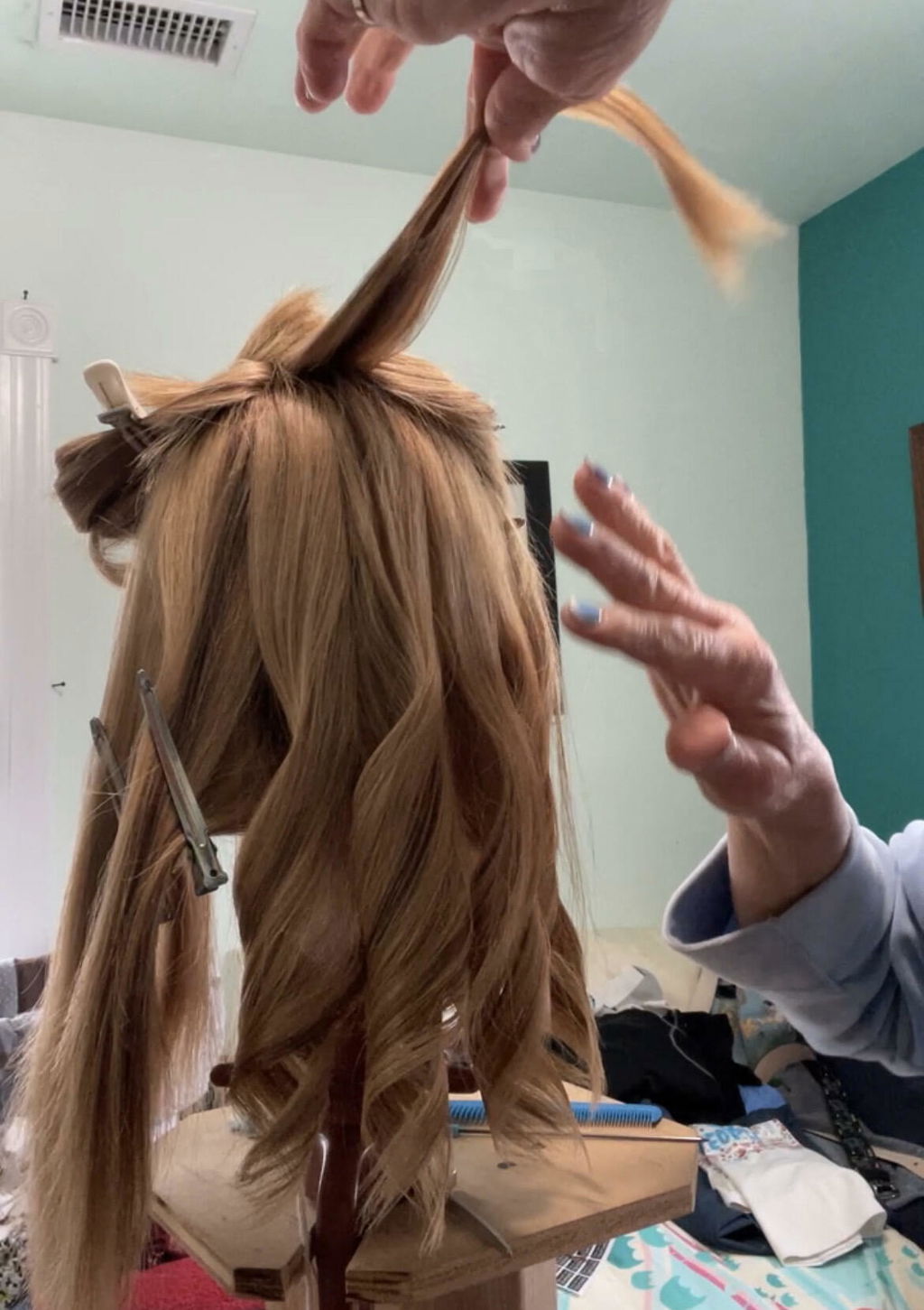
The best method to detangle knots in human hair is to start at the ends and work your way up to the top. If you find it difficult to hold the wig and comb at the same time, place the wig on a wig stand or mannequin head. Clip bangs out of the way if necessary. For significant knotting, work in sections and tease to untangle one section at a time.
You can use a detangling spray made for human hair if you think you’re tugging too hard, especially on long hair. You don’t want to pull the strands from the cap as this will result in a loss of density over time.
Preventing tangles before they form is one of the best methods for maintaining your human hair wig.
Washing a human hair wig with products designed especially for human hair wigs is the first step in proper care and maintenance. A cleansing shampoo and hydrating conditioner will ensure your piece looks and feels luxurious, soft, smooth, and full of healthy bounce. Consider a leave-in conditioner from time to time if you feel like the hair needs a little extra love.
We recommend allowing your human hair wig to air dry as much as possible since heat can cause the hair to dry out and break leading to tangles.
One of the benefits of human hair wigs is that they can be styled with hot tools like curling irons, just like a natural head of hair. Don’t forget to use a heat protectant spray and to keep the temperature below 350 degrees to avoid damaging the hair. Note, heat protectant spray isn’t the same product as hairspray! A heat protectant creates a protective barrier between the hair and the styling tool to reduce heat damage, lock in moisture, and reduce frizz.
To learn how to style a human hair wig like a pro, check out our youtube video where we share a full tutorial.
Extra Tips to Make Detangling Easier
-
Always brush through the hair before and after wear
-
Keep a small brush in your purse or car that you can reach for throughout the day
-
Avoid letting tangles build up over time and untangle with them as you notice them starting to form
-
Use your fingers if you don’t have a brush handy
-
Be mindful of friction from clothing, scarves, and jewelry
-
Never pull through tight knots - take your time!
How to Prevent Tangles Going Forward
-
Do not sleep in your wig
-
Store your wig on a wig stand or in a velvet pouch when you’re not wearing it
-
Keep the ends hydrated and maintain with a small trim when needed
-
Tie your hair back or braid it in windy weather
-
Regular care makes detangling quicker and less stressful
Is It Time to Replace My Tangled Wig?
Tangles are a natural part of hair ownership, but excessive tangling may indicate there’s a problem with the quality of the hair or the age of the piece.
If you’ve tried all these methods to deal with your tangled wig and are still experiencing problems, it might be time to look for a replacement.
If you’d like to know more about Follea Human Hair Wigs by Daniel Alain, booking a consultation with one of our stylists is a great first step towards finding the right piece for you. We only sell high-quality human hair wigs and have many satisfied customers who have found beautiful hair and their confidence.


 Call Us
 Showroom