Are Prenatal Vitamins Good for Hair Growth? | Daniel Alain

Many people credit prenatal vitamins for helping pregnant women achieve their famously luscious hair — but is that really the case? And can you see success with prenatal vitamins for hair loss if you’re not expecting?
It's normal to experience changes in the hair growth cycle during pregnancy. The truth is that hormonal changes can cause hair to grow faster and thicker, not necessarily prenatal vitamins.
But what if you’re not pregnant?
In some cases, nutrient deficiencies can affect the normal function of hair follicles and contribute to shedding or thinning.
Prenatal vitamins are formulated to meet the increased nutritional needs of expecting moms. Despite what many believe, they aren’t designed to help with hair loss, and there’s no scientific evidence proving otherwise. In fact, taking higher levels of certain nutrients over a long period could do more harm than good.
So if there’s no link between prenatal vitamins and hair loss, which nutrients support hair growth?
Today, we’re breaking down which nutrients are most effective for improving hair growth and why using prenatal vitamins for hair loss may not be the right approach. We'll also fill you in on more effective ways to combat hair loss and shedding, like INTACT 5 Anti-Shedding Treatment and Minoxidil.
Ready to find your path to healthier, happier hair? Let’s get started!

COULD PRENATAL VITAMINS HELP GROW NEW HAIR IF I'M NOT PREGNANT?
We hate to be the bearer of bad news, but despite the common assumption that prenatal vitamins can help with hair loss, the reality may be quite the contrary.
Prenatal vitamins are specifically formulated to give expecting moms and their developing babies the nutrients needed for a healthy pregnancy and fetal development.
As far as the healthy, illustrious locks pregnant women are known for, these changes are mostly due to increased estrogen and progesterone, and other pregnancy hormones. These can cause more hair follicle cells to enter the anagen (or growth) phase.
For non-pregnant women without nutritional deficiencies, however, the excess nutrients in prenatal vitamins could have potentially adverse effects.
The fact is, taking prenatal vitamins for hair loss is simply an unproven claim. Prenatal vitamins will only benefit non-pregnant women if they’re lacking nutrients the prenatal vitamins contain — some of which may support hair health and growth.
As for which nutrients those are…
What key nutrients are in prenatal vitamins for hair growth?
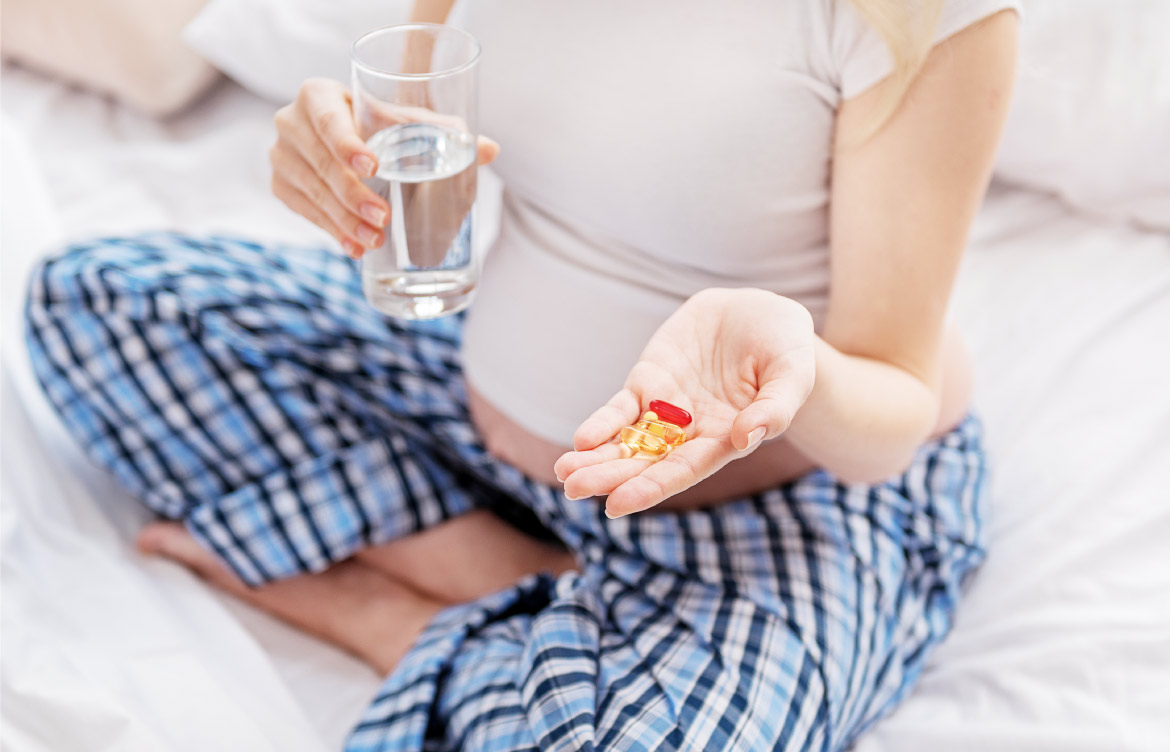
Although prenatal vitamins can support your overall health and wellness, they should not replace a balanced diet.
Hair loss can happen for various reasons, including genetics, medical conditions, hormones, stress, and certain medications, so speak with a healthcare provider if shedding persists. In some cases, reducing stress may help support healthier hair over time.
While prenatal vitamins may provide essential nutrients that support hair growth, they work best alongside a balanced diet.
So, which nutrients in prenatal vitamins help with hair growth? Let’s take a peek.
Vitamin B-12
Vitamin B-12, found in many animal-based foods, helps to produce red blood cells, nourish hair follicles, maintain a healthy scalp, and metabolize proteins for healthy hair growth. A B-12 deficiency means your strands aren’t getting enough nourishment, which could lead to hair thinning.
Vitamin C
Vitamin C, found in many plant-based foods, helps produce collagen and support scalp health. This also helps with hair structure and nail growth. It also supports keratin production, which helps build the protein that makes up hair. A deficiency in vitamin C could result in dry, brittle hair or a damaged scalp, which can hinder healthy hair growth.
Vitamin D
Vitamin D is crucial for maintaining healthy hair growth by stimulating the production of new hair follicles. Without enough vitamin D, your hair may become dry and brittle, and you may even be at risk for developing alopecia areata, an autoimmune condition that causes patchy hair loss.
Folic Acid
Folic acid (or vitamin B-9), often paired with biotin supplements, is vital for hair and nail growth and may help support healthy keratin production. Like B-12, it amps up the body's cell production processes. It’s also great for promoting hair growth, adding volume, and even reducing the rate of premature graying.
Iron
Iron is essential for hair health, as it helps to increase blood flow and oxygen delivery to your hair follicles, which helps your hair grow faster and stronger. An iron deficiency can lead to hair loss and thinning. However, too much iron from unnecessary supplementation may also create other health concerns.
Calcium
Calcium supports the secretion of hormones and enzymes (particularly androgen hormones and biotin enzymes) necessary for healthy hair growth. Calcium is also essential for the absorption of iron, which is especially important for women of childbearing age.
Thiamin
Thiamin (vitamin B-1) helps increase blood flow to your hair follicle cells by relaxing blood vessels, allowing for better circulation of oxygen and key nutrients that support hair growth and a healthy scalp.
Riboflavin
Riboflavin (vitamin B-2) helps metabolize nutrients and produce energy in the body, which may help reduce dryness and brittle hair. It also supports keratin production, which helps protect hair from oxidative stress, damage, and may reduce breakage.
Niacin
Niacin (vitamin B-3) not only plays a role in maintaining hair health but can also help stimulate hair growth by supporting healthy hair follicles. This is due to its ability to improve blood circulation and deliver oxygen to the hair follicle cells, supporting healthy hair development. Some healthcare providers may recommend niacin to support hair in patients with alopecia.
WHAT SHOULD YOU DO TO PREVENT & TREAT HAIR LOSS?
If you're looking to boost your hair, prenatal supplements might not be the magic solution you're hoping for. While they can provide essential nutrients that support healthy hair growth, there are other proven solutions for better addressing your hair concerns.
Skip the prenatal vitamins for hair growth and opt for something scientifically proven to work. Let's discuss alternative solutions, from scalp massages to targeted treatments, to determine the right course of action for your hair.
Use INTACT 5 Anti-Hair Shedding Treatment

Instead of taking prenatal supplements for hair loss, which aren’t designed to fix hair shedding, fortify your hair with INTACT 5 Anti-Hair Shedding Treatment.
INTACT 5 is the only patented, clinically-proven hair loss treatment that guarantees results after your first use. Scientifically formulated by dermatologists and scientists, this anti-shedding treatment uses our exclusive, root-securing technology to target excessive hair shedding and keep your hair firmly gripped to your scalp.
Ditch the shedding and embrace healthier, stronger hair with INTACT 5!

Regrow Your Hair With Minoxidil
Minoxidil (most commonly known by its brand name, Rogaine®) is the only FDA-approved product for hair regrowth in both men and women.
This topical solution works by dilating the blood vessels in your scalp, promoting nutrient delivery to your hair follicle cells. These essential growth agents help to stimulate and prolong hair’s anagen phase of the growth cycle, which boosts the growth of strong, healthy strands.
But Minoxidil doesn’t work for everyone, and we now know why, which we’ll cover shortly.
How soon until you notice a change? If used as directed, Minoxidil can show signs of regrowth in 3-9 months, with peak results happening around one year of consistent use, depending on the concentration and your scalp’s responsiveness.
If you want to bypass the waiting game and feel fabulously confident immediately, we’ve got the perfect solution for you.
Wear a Human Hair Wig or Topper
If you’ve exhausted hair loss solutions with little success, it’s easy to feel discouraged or worry about what comes next. Finding supportive options and reducing stress can make the process feel more manageable.
The good news is that there are alternative options to help you overcome hair loss and feel as beautiful as you deserve.
Daniel Alain’s human hair wigs and toppers are artfully crafted with 100% human hair that mimics the look, feel, and flow of natural hair. By ensuring the highest quality in their construction, you can reclaim your confidence and enjoy the look of thicker hair with natural movement and coverage.


Not sure where to start? Our Ultimate Wig Buying Guide has you covered.

Find a hair loss solution at Daniel Alain
So, are prenatal vitamins good for hair growth? Not necessarily. While some nutrients in prenatal vitamins can support healthy hair, they are not a proven treatment for hair loss unless you have a nutrient deficiency.
At Daniel Alain, we always strive to empower women with hair solutions that target their hair needs and inspire them to feel like their most gorgeous selves. In addition to scientifically-proven hair loss treatments, our human hair wigs and toppers are made exclusively with 100% premium European human hair and unsurpassed craftsmanship for beautiful, natural-looking coverage that looks indistinguishable from your natural locks.
book a free consultation
Our stylists will help you find the right hair loss solution just for you

join our community
It's time to take control of your hair journey and build a routine that supports your confidence. Visit Daniel Alain today to take one step closer to the hair of your dreams.
-
Ready to start your journey towards healthier hair? Set up a consultation with one of our hair experts today!
-
Read our customer reviews and see what people just like you are saying about Daniel Alain's hair loss solutions.
Frequently Asked Questions
Do Prenatal Vitamins Really Help Hair Growth?
No — While many people believe that prenatal vitamins can help with hair loss, the truth is that there’s very little scientific evidence suggesting they help hair grow faster.
Are Prenatal Vitamins Safe for Non-Pregnant Women?
Unless you’re pregnant or planning on becoming pregnant, taking prenatal vitamins generally isn’t recommended, as your body doesn’t have the same increased nutrient needs as an expecting mom.
What are the Advantages of Taking Prenatal Vitamins?
Prenatal vitamins are specifically formulated with essential nutrients to meet the increased nutritional needs of expecting moms. They contain higher levels of nutrients that are important for fetal development, the mother's health, and helping prevent neural tube defects.
They can also be beneficial if you’re planning to become pregnant. In such cases, prenatal supplements can help prepare your body for pregnancy by ensuring you’re getting the recommended levels of key nutrients.
What is the Best Vitamin for Hair Loss?
Hair loss can be triggered by various factors, including genetics, certain medical conditions, or certain medications.
While there’s no single "best" vitamin for hair loss, some key nutrients that can support healthy hair and nail growth include:
-
Vitamins B-12, C, and D
-
Folic Acid
-
Iron
-
Calcium
-
Thiamin
-
Riboflavin
-
Niacin
Can You Lose Hair From Prenatal Vitamins?
Not typically — Some women can experience hair loss while taking prenatal vitamins, but it’s not a common side effect. Such hair loss can result from hormonal changes during pregnancy or the stress and strain of pregnancy itself.
Prenatal vitamins can also contribute to hair loss in some cases, as they may contain higher levels of certain nutrients that can cause an imbalance in the body.
Can Prenatal Vitamins Cause Hair Thinning?
Rarely — Although it’s another uncommon side effect, there is a possibility that prenatal vitamins may contribute to hair thinning in certain women. Similar to hair loss, this can happen due to various factors, including hormonal changes, stress, or nutrient imbalances.
Do Prenatal Vitamins Make You Gain Weight?
Not generally — Like the belief that prenatal vitamins boost hair growth, the idea that they make you gain weight is also a common myth.
Who Should Not Take Prenatal Vitamins?
There are some situations in which prenatal vitamins may not be recommended, such as:
-
If you’re allergic to any of the ingredients in the prenatal vitamins
-
If you have certain medical conditions that ingredients in prenatal vitamins could exacerbate
-
If you’re taking certain medications that may interact with prenatal vitamins
Additionally, women who aren’t expecting or planning to become pregnant usually don’t need prenatal vitamins. These vitamins are specifically formulated to meet the nutritional needs of pregnant women and may not be necessary or appropriate for women who are not expecting.
Is it Better to Take Prenatal or Multivitamins?
That depends! Prenatal vitamins and multivitamins are often sold as tablets or capsules that contain a combination of vitamins and minerals. However, they’re formulated to meet different nutritional needs.
Prenatal vitamins are specifically formulated with essential nutrients that support pregnancy health, including healthy calcium absorption and fetal development.
Multivitamins, along with a balanced diet, are typically suitable for people of all ages, including children, adults, and older adults. These supplements are designed to support your overall health and address potential nutritional deficiencies.
How Long Does it Take for Prenatal Vitamins to Work?
It’s usually not possible to determine precisely how long it takes for prenatal vitamins to work, as this depends on several factors, including your health and nutritional needs.
How Long Should You Take Prenatal Vitamins?
For women who are pregnant or planning pregnancy, it’s often recommended to incorporate prenatal vitamins as soon as you start trying to conceive or learn that you’re pregnant. You’d typically continue taking prenatal vitamins throughout the pregnancy and while breastfeeding.
Is There a Way to Immediately Stop Hair Shedding?
Yes! Daniel Alain’s INTACT 5 Anti Hair Shedding Treatment is the only hair solution proven to reduce hair shedding after the very first use. Thanks to the patented root-securing technology, you’ll experience less shedding in as little as 30 minutes.
Does INTACT 5 Actually Prevent Hair Shedding?
Of course! INTACT’s secret weapon is the patented PiliLock® Sevilla Orange Complex, scientifically formulated to grip your hair at the root during shedding-prone activities like brushing, washing, and styling. INTACT activates the follicular muscles to keep your hair in place, resulting in less shedding and happier, healthier tresses.
Is INTACT Safe to Use on My Hair?
Absolutely! INTACT is a cosmetic formula you can feel good about using — it’s color-safe, vegan-friendly, and contains zero parabens, silicones, SD-alcohol, mineral oil, artificial dyes, or gluten. Developed by a team of doctors and dermatologists, INTACT adheres to best practices for safety and efficacy and has undergone peer-reviewed clinical studies.
Will INTACT Regrow My Hair?
No — INTACT doesn’t stimulate hair growth or affect your hair’s natural growth cycle. Instead, it addresses hair loss by gripping your hair firmly at the root, reducing excessive shedding.
Does Minoxidil Regrow Hair?
Minoxidil (A.K.A. Rogaine®) is the only product approved by the FDA to regrow hair.
Why Doesn't Minoxidil Work for Everyone?
Minoxidil is most effective for those with the Sulfotransferase (SULT1A1) enzyme. People with lower levels of this enzyme, or non-responders, are unlikely to see success using Minoxidil for hair growth.